How RMFSL connects literacy, trauma recovery, family preparation and safe school return for street-connected children in Uganda.
Why literacy recovery matters
For a child who has lived or worked on the street, returning to education is rarely as simple as providing a book or placing the child back in a classroom. Street exposure, interrupted schooling, trauma, stigma and survival pressures can affect concentration, confidence, behaviour and trust. Some children have missed months or years of learning. Others may be able to read, but no longer feel safe participating in a structured learning environment.
This is why effective literacy programs for street children in Uganda must begin with protection and recovery. Learning becomes more sustainable when a child is safe, emotionally supported and gradually prepared for the routines and relationships that education requires.
RMFSL’s recovery-first approach to literacy
Rescue Mission for Street Life (RMFSL) is a Ugandan child protection organisation supporting street-connected and highly vulnerable children and their families. Our principle is simple: healing before reintegration, and readiness before return.
At RMFSL, literacy is not treated as a separate activity from child protection. Through the KACHAP Library and Play4Education, children rebuild learning routines through reading, storytelling, guided activities, structured play and age-appropriate educational support. These activities help children reconnect with curiosity, communication and the confidence to try again.
The aim is not only to help a child recognise words or complete an exercise. It is to restore the habits that make learning possible: attention, participation, cooperation, self-expression and the ability to follow a safe routine.
From street survival to learning readiness
Children adapting to street life often develop behaviours that help them survive unpredictable and unsafe environments. Those same behaviours can make an immediate return to school difficult. A child may struggle to remain seated, follow instructions, manage frustration, work with peers or trust an adult.
RMFSL therefore combines learning support with trauma-informed recovery. Structured play, movement, games, storytelling and consistent routines create opportunities for children to express themselves and practise emotional regulation, behavioural regulation and social cooperation.
Our child-protection team observes progress over time instead of assuming that rescue automatically means readiness. This helps us avoid rushing children into educational placements before they are prepared to remain and thrive.
Preparing families for continued learning
A child’s progress is more likely to last when the family is ready to support it. RMFSL works with parents and caregivers to strengthen understanding, reflection and household routines before a child returns home.
Caregivers are encouraged to create time for reading, support school attendance, respond constructively to setbacks and recognise the effects that trauma may have on behaviour. This connects literacy support at RMFSL with continued learning in the family and community.
Family preparation is especially important because reintegration is not a single event. It is a process that requires cooperation among the child, caregiver, school and child-protection team.
Returning to school safely
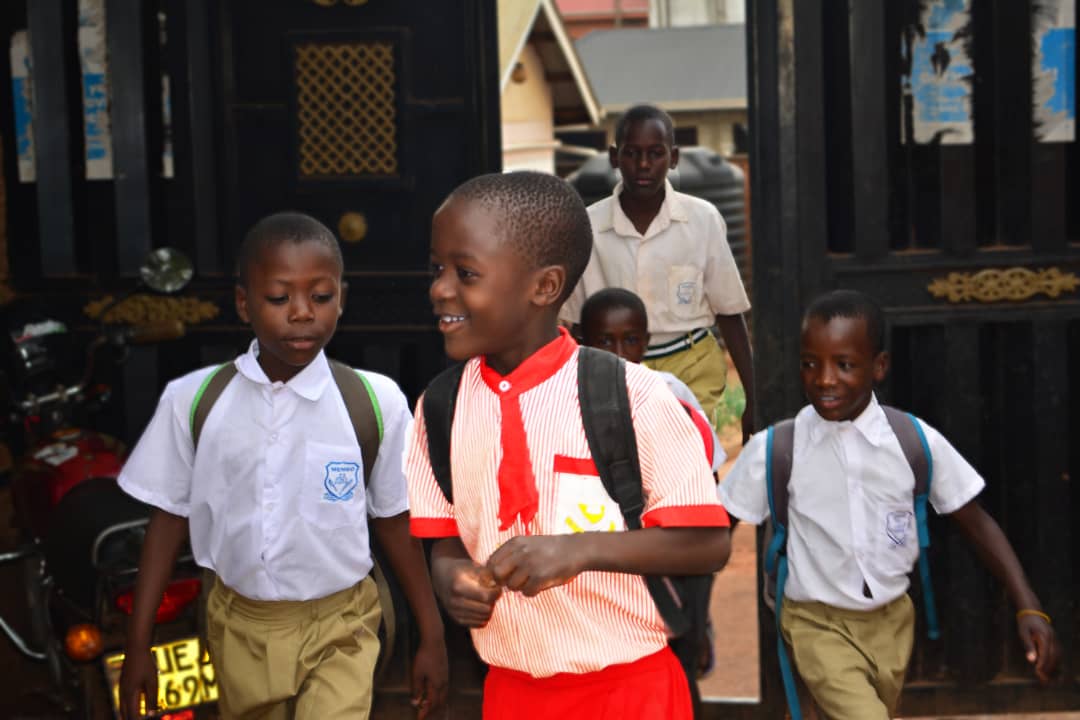
Where school return is appropriate, RMFSL helps children reconnect with education after recovery and readiness preparation. We consider the child’s learning level, behaviour, family situation and available school support. Follow-up after return allows the team to identify challenges early and work with the child, caregiver and school before a small difficulty becomes another separation.
This approach reflects RMFSL’s wider pathway: Recovery → Readiness → Return → Verification. Education is part of lasting reintegration, not simply an activity completed before a child goes home.
What strong literacy programs should achieve
Literacy programs for street-connected children should do more than deliver lessons. They should help children regain confidence in learning; rebuild reading, communication and classroom routines; receive support appropriate to their learning level; develop emotional and behavioural readiness for school; reconnect safely with education and family life; and remain supported after school return.
When literacy is connected to child protection, trauma recovery and family strengthening, it becomes a bridge from street survival towards belonging and opportunity.
A pathway back to possibility
Every child deserves the opportunity to learn, but meaningful learning requires more than access to a classroom. It requires safety, trust, readiness and adults who will continue walking with the child.
RMFSL’s work shows why literacy support for street children in Uganda must be part of a wider recovery and reintegration process. By helping children heal, rebuild learning routines and return to supportive families and schools, we work towards a future in which progress does not end at rescue—it lasts.
Rescue Mission for Street Life is a trauma-informed child protection NGO in Uganda supporting children’s recovery, family strengthening and lasting reintegration.